


Latest news


Democratic leaders in the U.S. Congress have sent a letter to the Education Department demanding the immediate rescission of the cancellation of the extension for spending billions of dollars in pandemic emergency relief funds. On March 28, the Education Department abruptly moved the extended spending deadline for the American Rescue Plan to that same day, triggering strong backlash from states and school districts. New York, Michigan, Massachusetts, and others have stated they will take legal action or face funding losses, while Kansas has already suspended related programs. The Education Department says it will review appeals on a case-by-case basis, but states worry that budget gaps will be difficult to fill.
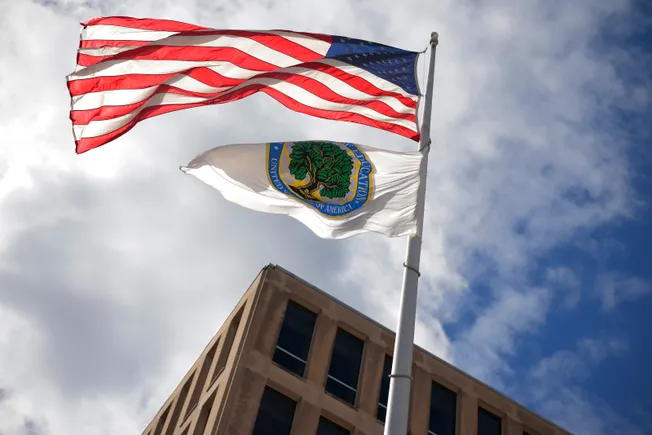
Under the Trump administration, the U.S. Department of Education's Office for Civil Rights has advanced civil rights investigations at a faster pace and with tougher measures, including initiating investigations directly, mandating corrective actions with deadlines, and threatening to cut off federal funding. The Maine transgender athlete policy case has become a landmark example, sparking widespread debate in the education sector over the fairness of enforcement and procedural due process.
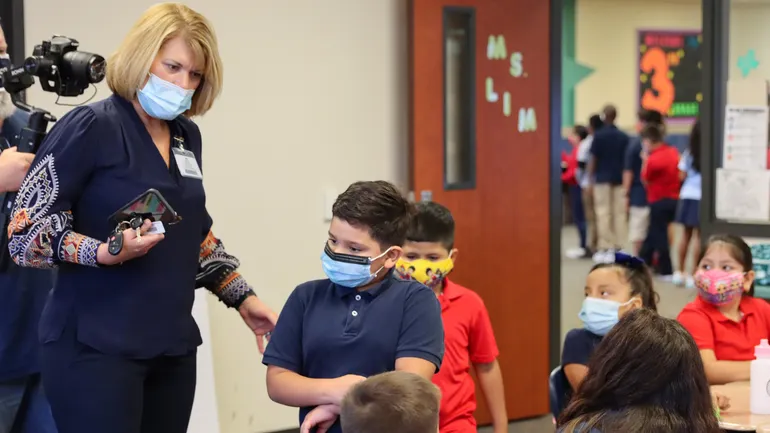

The U.S. Department of Education has cut more than half of its staff in the past two months and plans to dissolve the agency, with special education oversight potentially transferred to the Department of Health and Human Services. Parents, advocates, and Democrats worry that protections for students with disabilities may be undermined, while supporters argue this could reduce bureaucracy and expand school choice. This article synthesizes multiple viewpoints to analyze potential impacts.

The Trump administration has drastically reduced staff at the National Center for Education Statistics (NCES) under the U.S. Department of Education, leaving only a few employees, raising concerns about the quality of key assessment data such as NAEP. Former employees warn of institutional knowledge loss, while the Department of Education claims related research is completed through contracts and plans to reorganize IES.
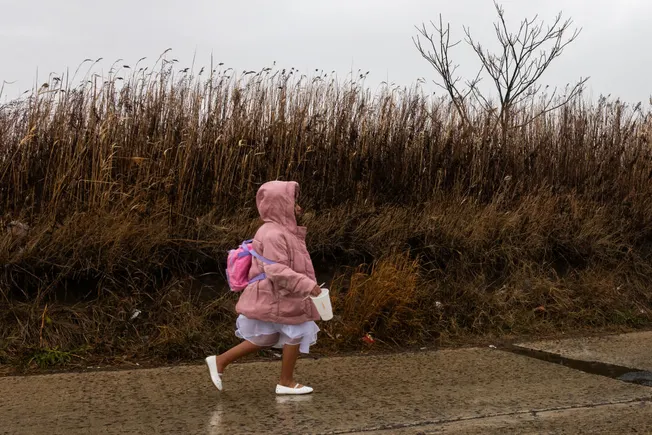
After immigration enforcement policy adjustments, multiple U.S. states and school districts issued response guidelines, but teachers and advocacy groups point to declining student attendance and rising fear among families, with new rules in some states sparking legal disputes.
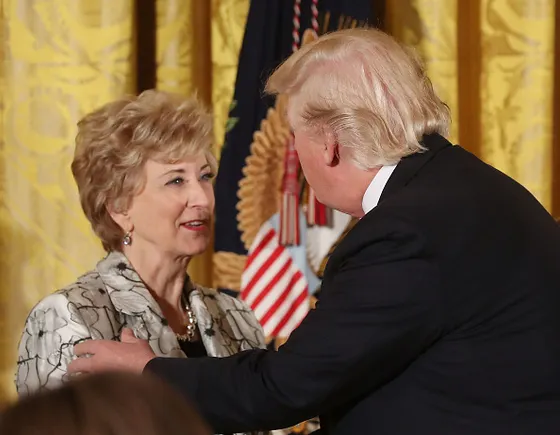
In 2025, U.S. education policy is set to undergo dramatic changes. Trump's second term has already begun overturning multiple policies from the Biden era, while several key Supreme Court rulings could reshape the educational landscape. Based on interviews with experts from AASA and the Thomas B. Fordham Institute, this article analyzes five major policy trends: persistent policy swings, judicial impacts after the overturning of the Chevron doctrine, constitutional challenges to the E-rate funding mechanism, curriculum opt-out lawsuits, and the future direction of the Department of Education.

In 2024, K-12 education leaders accelerated the integration of artificial intelligence with support from federal and state resources, but warning signs of technology misuse also emerged. Looking ahead to 2025, experts predict that district and state AI guidance will increase, more tailored tools for special education and English learners will be developed, teachers' reliance on AI detection tools will continue to grow, and some districts will still face implementation barriers.

In 2025, K-12 education in the United States will see six major trends: budget pressures, staffing shortages, increased special education burdens, more book bans and curriculum restrictions, heightened cybersecurity challenges, and the downward shift of AI guidance responsibilities. The new administration may bring policy changes, and school districts need to monitor closely.