


Leadership
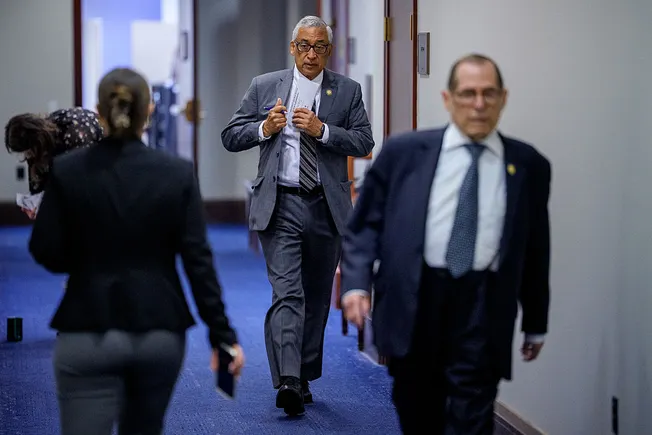
The U.S. House of Representatives introduced a bipartisan bill on Wednesday (local time) aimed at preventing the transfer of four offices under the U.S. Department of Education—responsible for special education, postsecondary education, Indigenous education, and elementary and secondary education—to other federal agencies. The bill, co-sponsored by Representatives John Mannion (D-NY), Bobby Scott (D-VA), and Brian Fitzpatrick (R-PA), is a companion measure to a Senate bill awaiting a full vote. Currently, under the Trump administration, the Department of Education has signed 14 interagency agreements with six other federal agencies to transfer various K-12 and higher education responsibilities.

This week's education updates include: All 50 states have established registered teacher apprenticeship programs, with 44 states and the District of Columbia offering degree-oriented apprenticeship initiatives; an analysis by the Reason Foundation shows only 2 large school districts have no fiscal red flags; federal agencies are collaborating to address wandering by autistic children, combat the 'passing the trash' practice involving school sex offenders, and strengthen parental consent requirements for mental health screenings; the Supreme Court may hear a case on special education services for private school students, and Pearson has reached a settlement over accessibility issues.
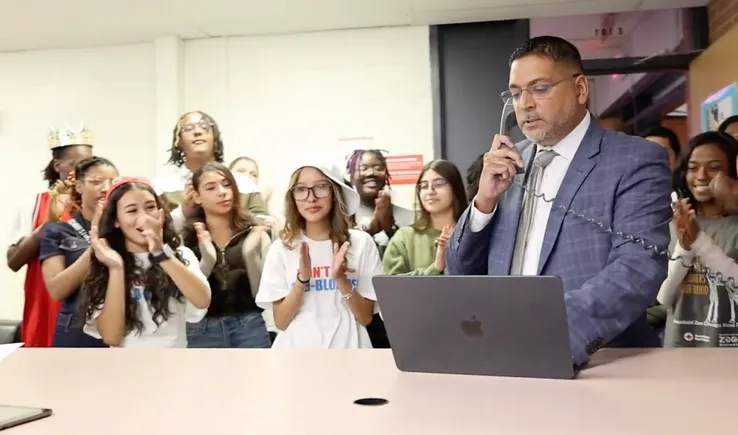
Krish Mohip, superintendent of Proviso Township High Schools District 209 in Illinois, speaks with K-12 Dive about his rapid career advancement, transformation experiences in Chicago and Youngstown, and current strategies in Proviso for culture building, absenteeism intervention, and leadership support.

According to a Reason Foundation fiscal analysis of the 100 largest school districts nationwide, only Baltimore City Public Schools and Rutherford County Schools in Tennessee triggered no fiscal 'red flag' indicators. The analysis, based on fiscal year 2023 audit reports, covers eight indicators including debt ratios and per-pupil debt. Fort Bend Independent School District in Texas led with seven red flags, followed by Gwinnett County Board of Education in Georgia.

As the 2026-27 school year approaches, K-12 Dive has compiled a playlist reflecting the emotional tone of the back-to-school season, blending classics with new tracks and including education-related wordplay, welcoming educators to share their choices via email or LinkedIn.
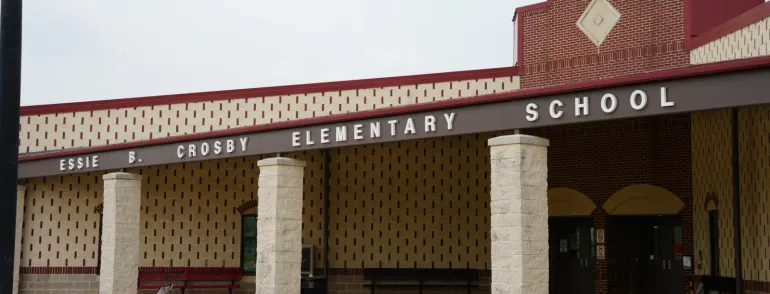
The U.S. Department of Justice's 'Safe Schools Initiative' recently achieved its first enforcement results in the Northern District of Texas: two educators were federally charged with concealing sexual offense records, and Forney Independent School District paid a $14,308 civil penalty and committed to corrective actions. The program, led by the Northern District of Texas U.S. Attorney's Office and involving multiple agencies including the FBI, has been promoted in North Texas and plans to expand to all U.S. judicial districts in the future.
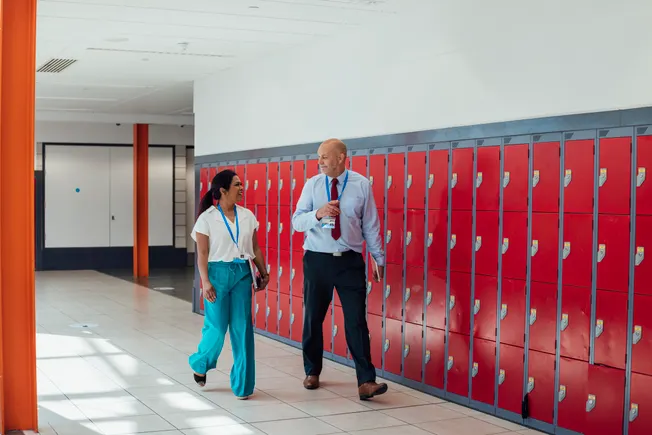
The National Association of State Boards of Education (NASBE) and MDRC jointly released a report identifying gaps in the preparation and support systems for innovative high school principals and proposing three state-level support strategies: strengthening preparation and licensure requirements, providing professional development and mentoring, and granting regulatory flexibility. The report highlights practical examples from North Carolina, Pennsylvania, and Colorado.
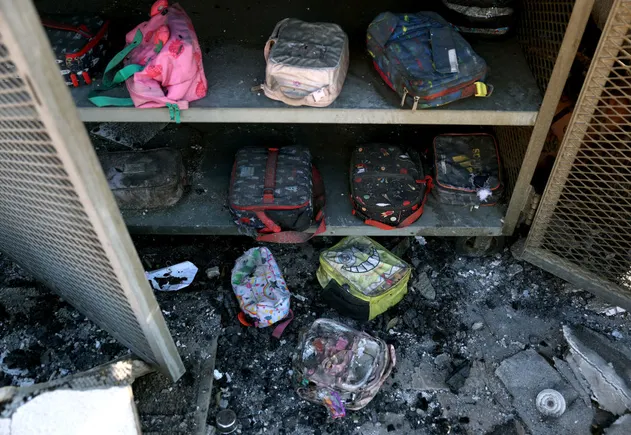
The latest analysis by UndauntedK12 shows that over 9 million students in the U.S. experienced school closures, early dismissals, or delayed openings during the 2024-25 school year due to weather events such as wildfires, floods, and extreme heat. In California, approximately 70,500 students have already lost more than 740,000 instructional hours in the 2025-26 school year. Experts recommend that school districts use federal tax credits to upgrade facilities and reference NWEA research, which finds that each day of school closure due to a hurricane or wildfire results in an average loss of 3.6 days of instruction.
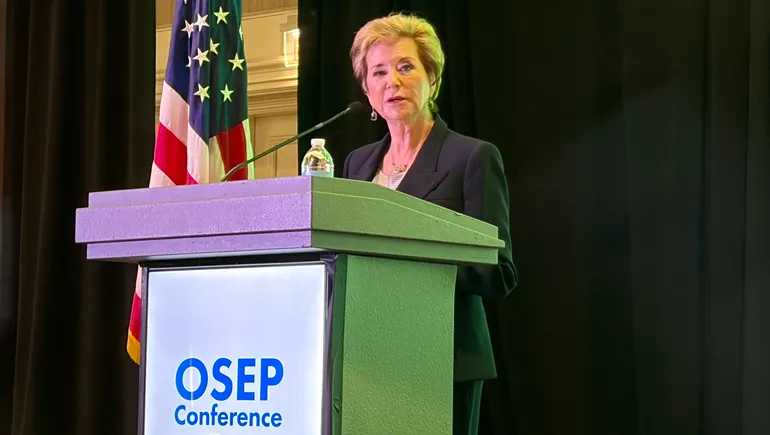
U.S. Secretary of Education Linda McMahon delivered a keynote address Tuesday at the Office of Special Education Programs annual conference in Arlington, Virginia, defending the interagency agreement on special education between the Education Department and the Department of Health and Human Services. She emphasized that the federal government's commitment to protecting students with disabilities remains unchanged while pushing for more flexibility for states, school districts, and families. However, the agreement has faced opposition from special educators, disability rights advocates, and some members of Congress, who worry it weakens IDEA compliance and accountability.