


Latest news

Facing declining higher education enrollment rates and low student confidence, multiple U.S. states and colleges have begun implementing direct admission policies, which automatically send admission offers based on students' existing academic records. Since Idaho first implemented this in 2015, it has shown initial results; Common App also piloted it in 2021 and recently expanded it to 70 institutions. However, research indicates that the policy has limited impact on overall enrollment rates and requires complementary financial aid and support measures to achieve greater effectiveness.

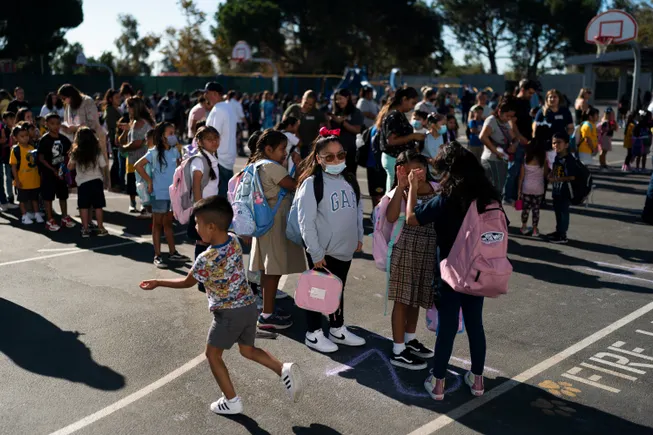
When the Mt. Diablo Unified School District was identified in 2021 for having a disproportionate rate of identifying Black students as having intellectual disabilities, only 23 of the district's nearly 29,000 students were Black students in that category. This article examines how the district addressed the imbalance through systematic reviews, funding investments, and community partnerships, and extends to technical assistance and data improvements at the California state and federal levels, arguing that addressing disproportionality requires moving beyond short-term 'declassification' thinking toward lasting cultural and systemic change.
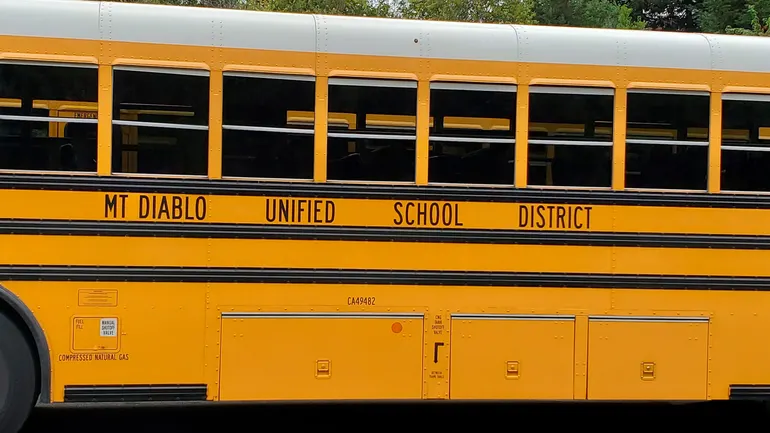
In recent years, racial disproportionality in K-12 special education in the United States has become increasingly prominent. Federal data indicates that the number of districts identified with "significant disproportionality" grew by nearly 100% between the 2018-19 and 2020-21 school years. Using the case of California's Mt. Diablo Unified School District, this article explores the context of widening racial disparities, the complexity of measurement mechanisms, and the controversies and resistance encountered in policy implementation.


About 40 school districts across the United States have filed lawsuits against social media companies, accusing their apps of being addictive, harming students' mental health, and negatively impacting school and government resources. The cases have been consolidated into a multidistrict litigation in the U.S. District Court for the Northern District of California, with a total of about 235 plaintiffs.
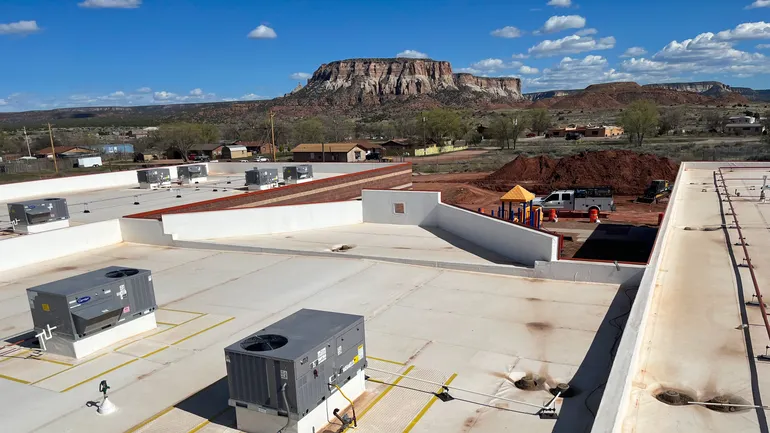
As the ESSER funding deadline approaches, K-12 school districts nationwide plan to concentrate on campus facility upgrade projects during the summer, covering outdoor learning spaces, HVAC system replacements, air conditioning installations, and more, but supply chain delays and labor shortages remain major challenges.
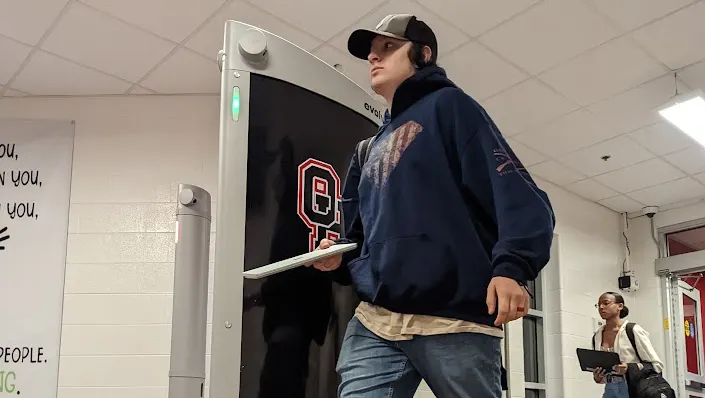
In response to frequent campus gun incidents, school districts such as Charlotte-Mecklenburg in North Carolina, USA, have introduced AI weapon detection systems. Supporters claim they are efficient and non-invasive, but security experts warn that the technology is not yet mature and faces issues of false alarms and privacy controversies.