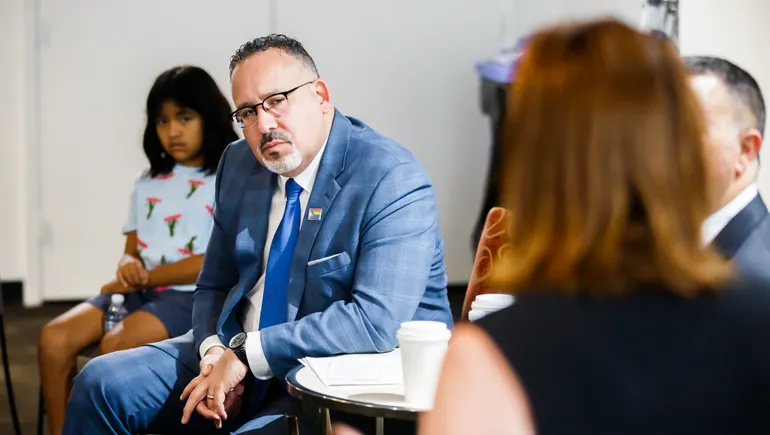

Latest news
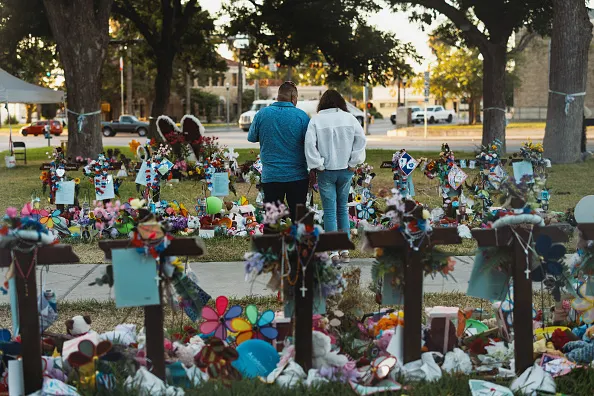
As of December 20, 2022, there were 300 shootings at K-12 schools across the United States, far exceeding the 250 in 2021 and 114 in 2020. Data indicates that most shootings stem from escalated conflicts among students, with students being the primary shooters. Experts urge that school safety strategies should place greater emphasis on human factors rather than relying solely on physical facilities.
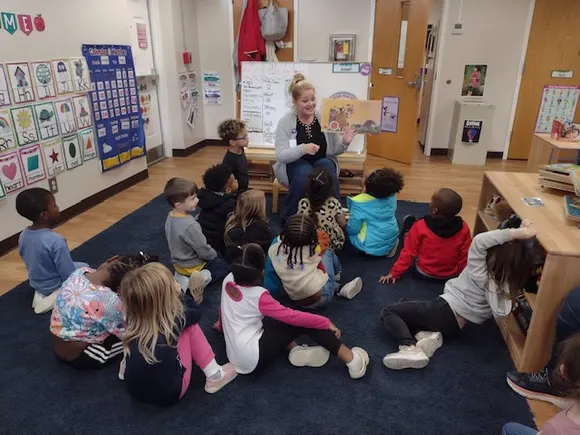
Since the start of the fall semester, many U.S. schools have faced severe staff and student absenteeism due to the 'tripledemic' of flu, COVID-19, and respiratory syncytial virus (RSV). School administrators have had to reinstate pandemic-era prevention measures and adjust operational strategies to maintain in-person learning. This article explores, through multiple case studies, how schools are staying open amid the outbreak and drawing lessons from the pandemic experience.
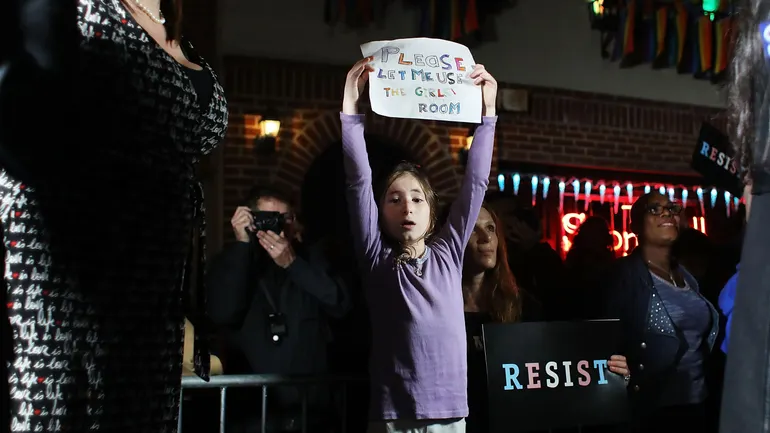
As teacher burnout levels have risen following the pandemic, the four-day school week is becoming an important bargaining chip for some districts—especially rural ones struggling to raise salaries—to attract and retain teachers. However, while this model brings recruitment advantages, cost savings, and family convenience, it may also be accompanied by slower academic growth, a shift in childcare burdens, and potential community safety concerns. This article synthesizes interviews with district administrators and multiple studies to analyze the actual impacts of the four-day school week across dimensions such as recruitment, finances, academics, families, and future research.
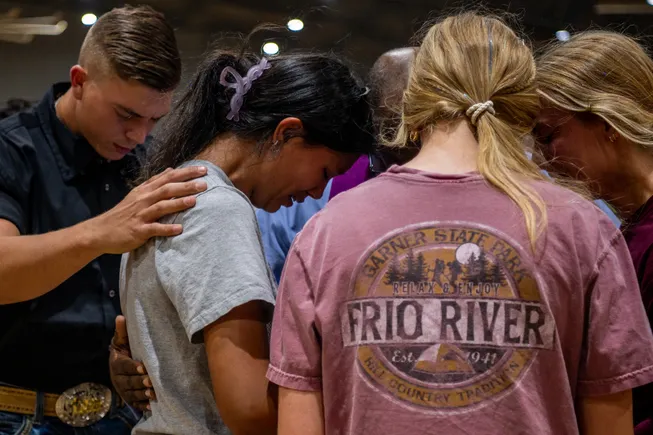
After the Uvalde school shooting, teachers across the country continue teaching amid fear and stress. Experts note that trauma responses recur, compounded by systemic racism, and both teachers and students face mental health challenges. Teachers call for more support, but scarce resources and policy constraints worsen the predicament, potentially exacerbating teacher attrition.
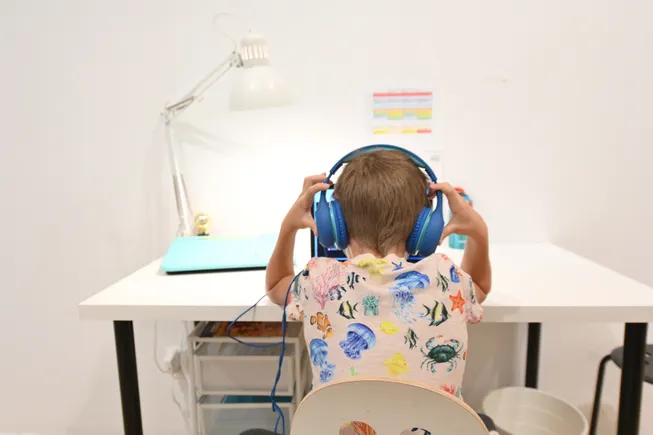
At the onset of the pandemic, many predicted that remote learning would trigger a wave of special education lawsuits, but two years later, the actual number of lawsuits was lower than expected. This article interviews multiple lawyers, advocates, and education administrators to analyze why lawsuits did not surge and to explore the current status and obstacles in implementing compensatory education services.