


Latest news

Illinois Democratic Congressman Raja Krishnamoorthi wrote to the USDA and the Food and Nutrition Service on Thursday, requesting state-level assessments of how cuts to the Supplemental Nutrition Assistance Program under the One Big Beautiful Bill affect students' access to free school meals nationwide. The letter notes a 16% decline in SNAP enrollment in Illinois and a reduction of 47 schools and 15 school districts participating in the Community Eligibility Provision. Krishnamoorthi also requested the USDA respond to multiple specific assessment requests by September 10.
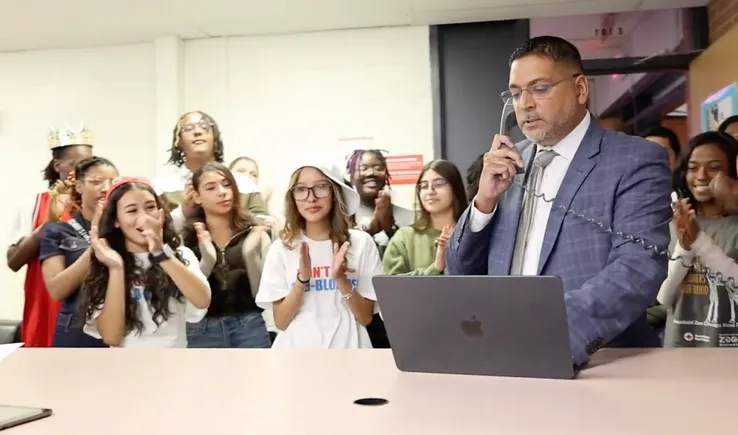
Krish Mohip, superintendent of Proviso Township High Schools District 209 in Illinois, speaks with K-12 Dive about his rapid career advancement, transformation experiences in Chicago and Youngstown, and current strategies in Proviso for culture building, absenteeism intervention, and leadership support.
This week's education updates include: All 50 states have established registered teacher apprenticeship programs, with 44 states and the District of Columbia offering degree-oriented apprenticeship initiatives; an analysis by the Reason Foundation shows only 2 large school districts have no fiscal red flags; federal agencies are collaborating to address wandering by autistic children, combat the 'passing the trash' practice involving school sex offenders, and strengthen parental consent requirements for mental health screenings; the Supreme Court may hear a case on special education services for private school students, and Pearson has reached a settlement over accessibility issues.

A new report from LGBTQ+ student advocacy group Glisten and The Trevor Project finds that nearly one-third of transgender, nonbinary, and gender-diverse students miss school due to a lack of safety on campus. Based on two national surveys, the report reveals widespread discriminatory school policies while highlighting the positive impact of supportive educators and inclusive environments on students' academic performance and mental health.
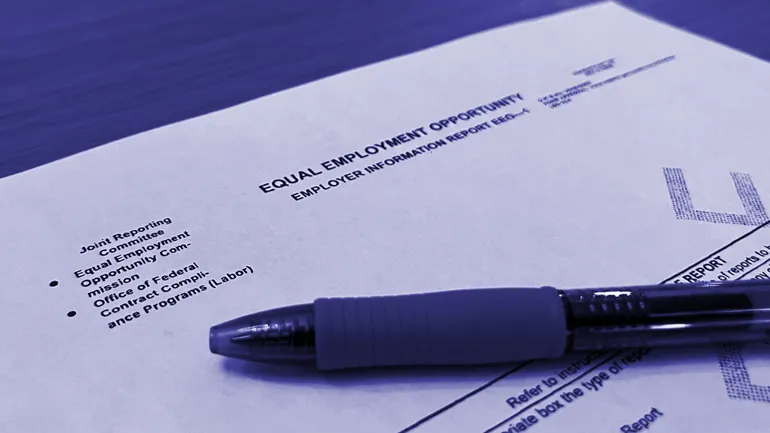
Pearson Education will pay $150,000 to settle a lawsuit brought by the U.S. Equal Employment Opportunity Commission (EEOC). The EEOC alleged that the company required visually impaired employees to use benefits, leave, and training platforms that were not fully accessible, violating the Americans with Disabilities Act. Under the consent decree, Pearson will hire a web accessibility consultant and notify third-party vendors to make platform improvements.
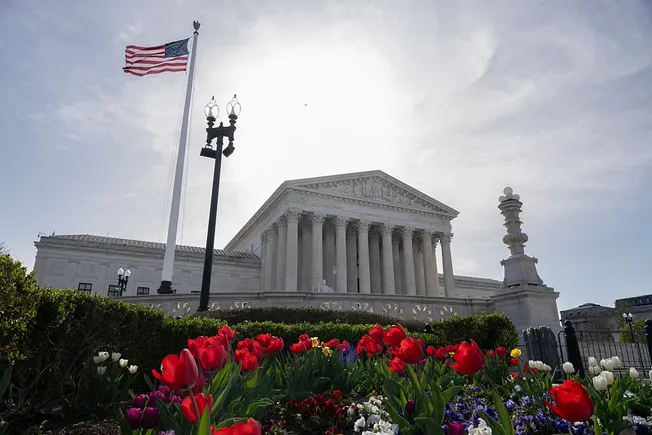
Two Massachusetts families with children with disabilities attending Jewish day schools have filed a petition for a writ of certiorari with the U.S. Supreme Court, challenging a state regulation that only allows private school students to receive public special education services at public schools or 'neutral' locations. The petitioners argue that the policy constitutes a punitive condition on constitutional rights and request the Court to clarify lower court divisions regarding the application of state aid prohibition clauses.
This article offers a five-question quiz on this week's K-12 education news, helping readers review key developments and encouraging them to share results via social media.
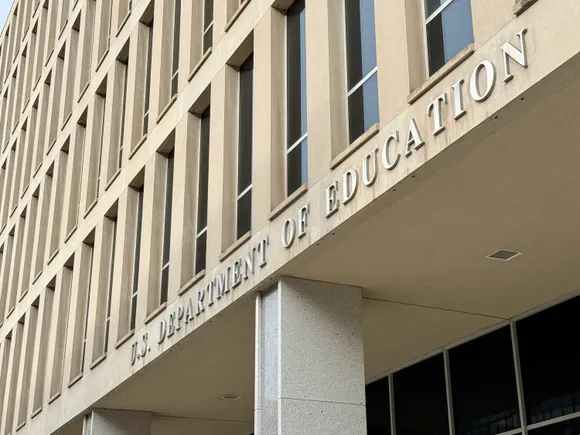
In a letter to school districts, the U.S. Department of Education stated that mental health screenings and student surveys on sensitive topics such as sexual behavior, even if presented as "voluntary," will be considered as "required" by the school district, and parents must be notified in advance and provide written consent. The letter also requires that even if a school district does not classify a student's "gender plan" as an "educational record," it must still be made accessible to parents.
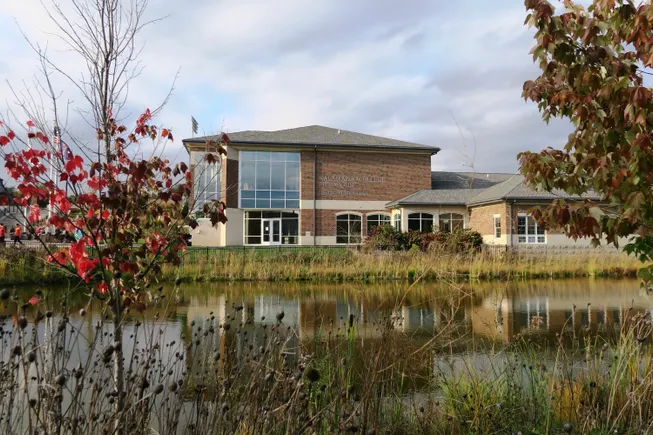
The Michigan College Access Network (MCAN) has launched the MI College Match direct admission program, with 20 public and private colleges participating. Students can receive admission offers by uploading their transcripts, without needing to submit essays or recommendation letters.

According to a Reason Foundation fiscal analysis of the 100 largest school districts nationwide, only Baltimore City Public Schools and Rutherford County Schools in Tennessee triggered no fiscal 'red flag' indicators. The analysis, based on fiscal year 2023 audit reports, covers eight indicators including debt ratios and per-pupil debt. Fort Bend Independent School District in Texas led with seven red flags, followed by Gwinnett County Board of Education in Georgia.