


Latest news

The U.S. Department of Education's recent rescission of disparate impact regulations is expected to curtail or close systemic discrimination investigations in schools. Former federal civil rights enforcement staff and education lawyers explain the shift, its impact on Title VI cases, and the ongoing role of state-level protections.

Dyscalculia, a learning disability affecting number processing, impacts roughly the same proportion of students as dyslexia. However, a new brief from the Center on Reinventing Public Education (CRPE) reveals that schools are far less equipped to identify and serve these students. The brief outlines gaps in district systems and proposes a multi-step identification process, including universal screening and diagnostic follow-ups.

On Tuesday, a coalition of unions led by the American Federation of Teachers filed a lawsuit against the U.S. Department of Education, challenging the agency's regulatory definition of 'professional degree' that excludes education graduate programs. The definition determines federal student loan borrowing caps: students in recognized professional programs can borrow up to $200,000, while those in excluded fields like education are limited to $100,000. The lawsuit follows a federal judge's June order that temporarily blocked the department's definition, prompting an expansion of the list to include nursing, physical therapy, athletic training, and occupational therapy, but education remains excluded as of July 10. The plaintiffs seek to vacate and postpone the effective date of the Reimagining and Improving Student Education rule, alleging it conflicts with the One Big Beautiful Bill Act and the Higher Education Act. The Education Department defends its interpretation, stating it is confident in its legal stance and prioritizes students and families over institutional interests.

Science educators believe that traditional lab reports often become mechanical compliance exercises. By shifting to teaching methods that encourage critical thinking and creative exploration, lab classes can become more engaging and memorable. This article draws on practical cases from multiple teachers to explore how to help students understand the 'why' behind experiments.

Educators highlight how dramatic improv techniques in English/language arts classes can foster participation, creativity, and psychological safety, encouraging students to step out of their comfort zones.

Due to federal nutrition assistance cuts under the One Big Beautiful Bill Act, Miami-Dade County public schools' CEP eligibility has declined, leading to the termination of district-wide free school meals starting August 2026. Approximately 218 schools will lose this benefit, affecting over 173,000 students, with families facing annual meal cost increases of up to $2,412.
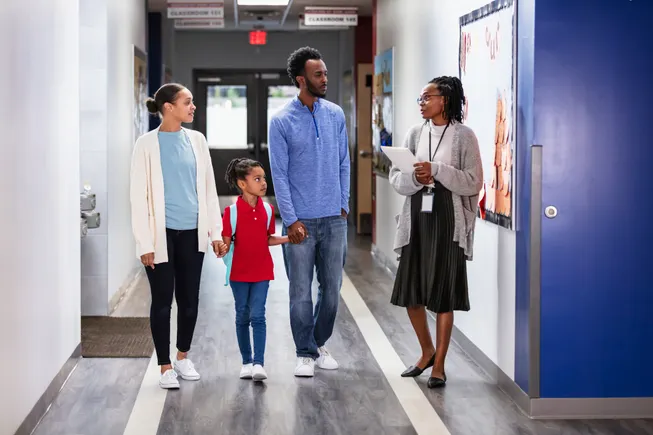
Written state-level complaints in special education in the United States surged by 46% year-over-year in the 2025-26 school year, reaching 11,523 cases. Experts point to staffing reductions at the federal Office for Civil Rights (OCR), insufficient special education funding, and personnel shortages as key factors driving the increase in complaints.
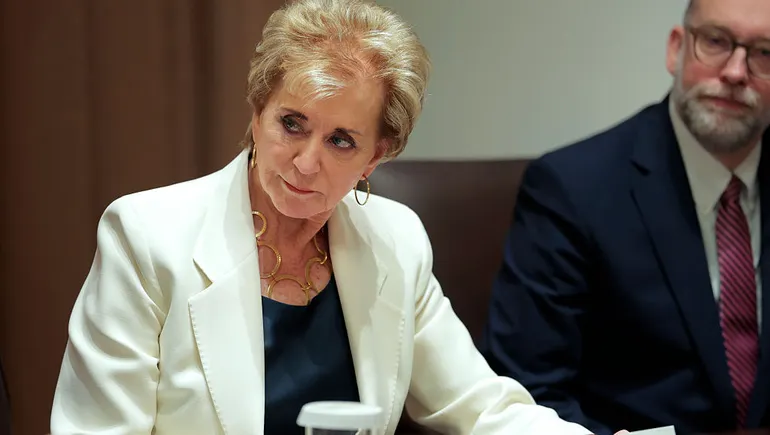
This week's education news focuses on: Education Secretary McMahon defends the transfer of special education responsibilities, stating that federal law guarantees remain unchanged; HHS plans to significantly relax Head Start regulations and cancel most funding for teen pregnancy prevention programs; Senate panel passes child online safety bill; research shows outcomes-based contracts improve academic performance; Google AI summaries raise concerns in schools.
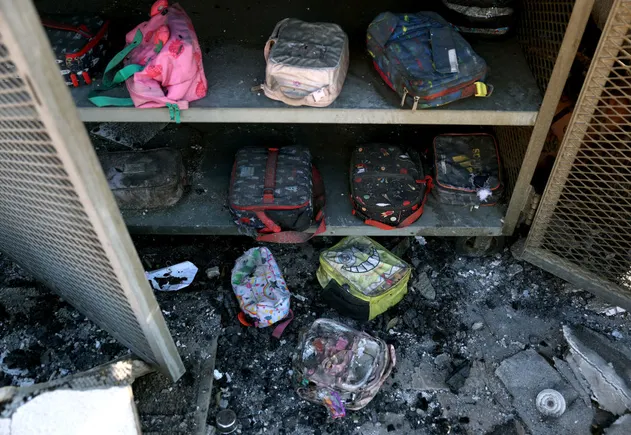
The latest analysis by UndauntedK12 shows that over 9 million students in the U.S. experienced school closures, early dismissals, or delayed openings during the 2024-25 school year due to weather events such as wildfires, floods, and extreme heat. In California, approximately 70,500 students have already lost more than 740,000 instructional hours in the 2025-26 school year. Experts recommend that school districts use federal tax credits to upgrade facilities and reference NWEA research, which finds that each day of school closure due to a hurricane or wildfire results in an average loss of 3.6 days of instruction.
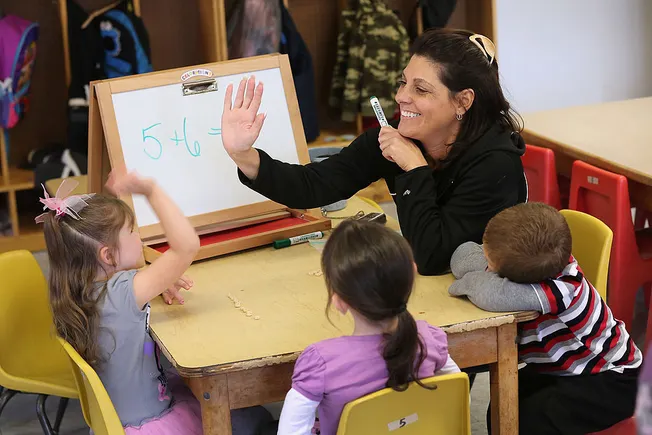
The U.S. Department of Health and Human Services (HHS) unveiled a proposed rule on Thursday to significantly streamline federal regulatory requirements for the Head Start program, aiming to increase state and local autonomy. The reforms involve eliminating federal standards such as class size, staff-to-child ratios, and curriculum requirements, lowering the administrative cost cap from 15% to 5%, and mandating English-only instruction. Supporters argue this could reduce red tape and increase service capacity, but advocacy groups and Democratic lawmakers warn it may compromise child safety and service quality. The public can submit comments within 60 days after the rule is published in the Federal Register.