


Latest news

The Tenement Museum in New York City hosts its second annual summer teacher institute, helping educators explore teaching immigration history and connect it with students' own family stories. Participating teachers say this approach makes students more engaged with history and fosters an understanding of diverse cultures.
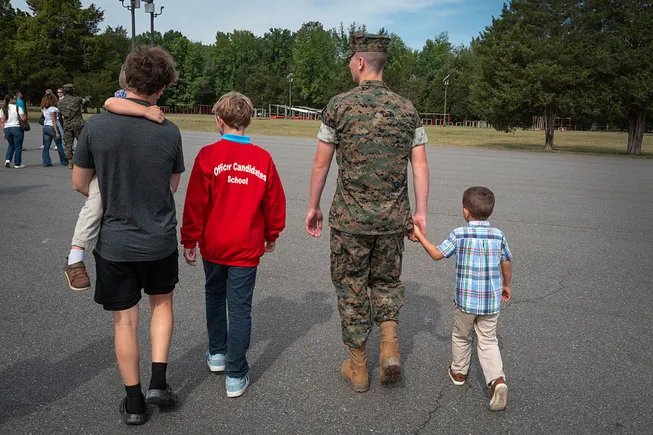
A National Military Family Association survey reveals that 22% of military teens report low mental well-being, and nearly 30% had thoughts of self-harm in the past six months. Experts emphasize the need for schools to establish preventive support systems, including peer connections and trusted adults, to counter the effects of frequent relocations and deployments.
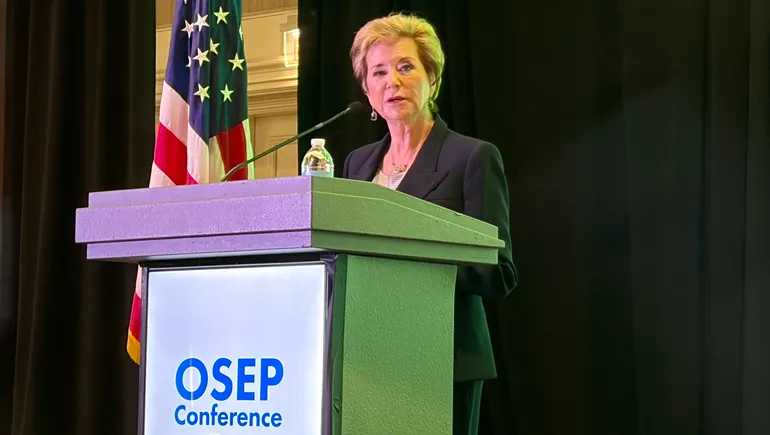
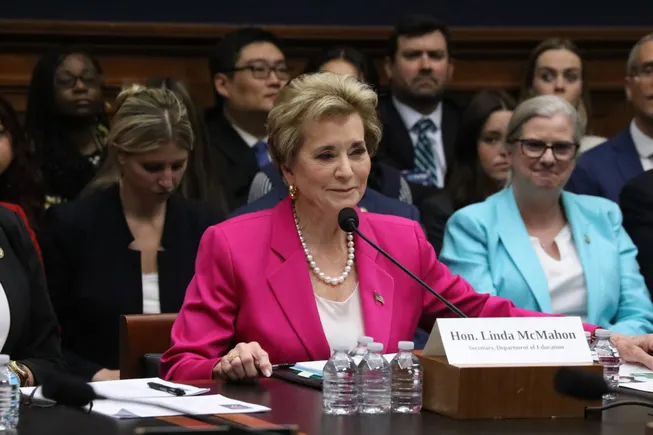
U.S. Secretary of Education Linda McMahon delivered a keynote address Tuesday at the Office of Special Education Programs annual conference in Arlington, Virginia, defending the interagency agreement on special education between the Education Department and the Department of Health and Human Services. She emphasized that the federal government's commitment to protecting students with disabilities remains unchanged while pushing for more flexibility for states, school districts, and families. However, the agreement has faced opposition from special educators, disability rights advocates, and some members of Congress, who worry it weakens IDEA compliance and accountability.

American public education has long been mired in ideological debates, while Texas, through the Texas Partnerships Act (SB 1882) enacted in 2017, encourages school districts to partner with charter school operators to improve persistently failing schools. This model preserves the public nature of schools but transfers operational authority to entities with a clear improvement mission. This article analyzes the operational principles of this framework, its demonstrated results, and recommends that federal policy explicitly recognize such partnership models under the Every Student Succeeds Act, while strengthening independent research to encourage more states to adopt them.

This week's review focuses on enrollment changes, teacher vacancies, social media lawsuits, AI applications, phone bans, and progress on multiple education policies.
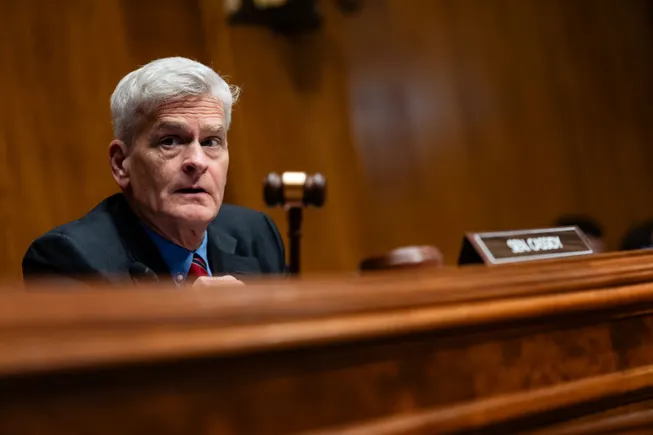
The U.S. Senate Health, Education, Labor, and Pensions (HELP) Committee approved a bipartisan bill (S. 5046) on Thursday by a vote of 13-9, which would prohibit the U.S. Department of Education from transferring its four offices to other federal agencies. Despite Democrats' attempt to add an amendment blocking the transfer of the Office for Civil Rights, the amendment was rejected by a vote of 12-11. The bill now heads to a full Senate vote.

Before becoming an educator, Jared Bloom was an internet industry professional. In 2000, he began teaching in New York City public schools, later taking on administrative roles, and now serves as the superintendent of the Franklin Square Union Free School District. The district, with 1,900 students from pre-kindergarten through sixth grade, is integrating AI in a 'human-first' manner. Bloom spoke with K-12 Dive about the use of AI tools, teacher training, and communication strategies with parents.

About 1,400 school districts across the United States have filed class-action lawsuits against social media companies, alleging that their platforms harm students' mental health and increase financial burdens on schools. The lawsuits have been consolidated into multidistrict litigation, with six designated as 'pilot cases.' The first pilot case was settled in May for $27 million. Meanwhile, some school districts have begun planning how to use future compensation funds; for example, Spokane Public Schools is expanding after-school activities through the 'Real Life Engagement' program to reduce students' screen time.
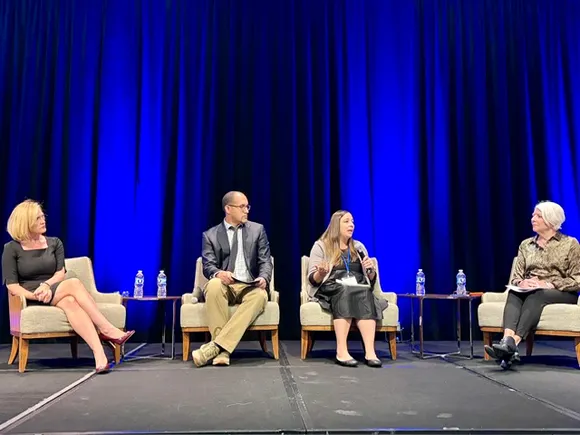
At a special education legislative summit on July 20, multiple former U.S. Department of Education officials warned that the Trump administration's approach to shrinking the Department by transferring core responsibilities to other federal agencies raises concerns about special education funding, policy, accountability, and coordination with other K-12 services. This week's data: NWEA analysis shows that districts with persistently high absenteeism rates lag 50% behind in math academic recovery. In Congress, the Senate will consider two bills to block Department of Education outsourcing projects, and the House Education Committee advances four bills related to schools.
This week's education news: The Department of Education reiterates its ban on schools 'passing on sexual assaulters'; 13 former federal special education officials jointly oppose the transfer of special education management; the National Elementary School Principals Conference held in Orlando shares experiences in attendance incentives, digital health, and innovation; in policy, Pittsburgh school closures are accused of discriminating against Black students, Washington State proposes a FAFSA graduation requirement, and Maine explores rapid AI response mechanisms.