


Policy & Legal

What important progress has been made in the K-12 education sector this week? Take our five-question quiz to test your awareness and share your results on social media.
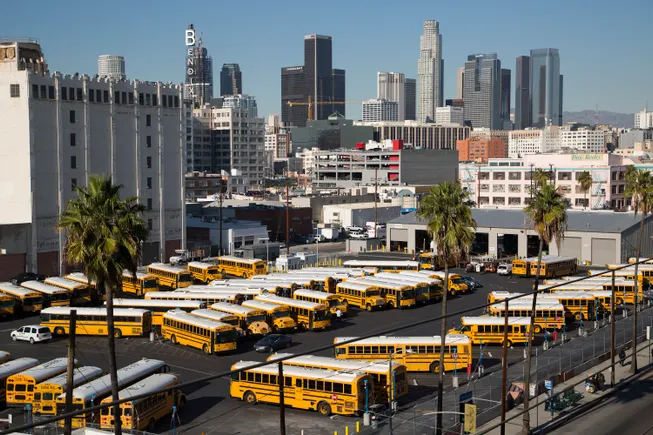
Los Angeles Unified School District (LAUSD) has confirmed that it will comprehensively restrict all student access to generative artificial intelligence platforms for the 2026-27 school year. Previously, students aged 13 and older who had completed digital citizenship education could use approved AI tools. The restriction takes effect while the district reviews AI's instructional uses and safeguards. This move follows New York City's announcement of a one-year AI ban for K-12 schools, as the two largest U.S. education systems take successive actions, prompting discussions about the direction of national AI education policy.

At Tuesday's board meeting, Portland Public Schools presented a 'right-sizing' plan that could close up to 18 schools, 15 of which are elementary schools. District data shows declining enrollment, and without action, by the 2031-32 school year, 37 of 45 elementary schools are projected to have fewer than 360 students. District officials stated they will seek broad input but emphasized that no final decisions have been made.

Approximately 1,400 school districts in the United States have sued social media companies, alleging that they harm students' mental health and increase school burdens. Some districts have begun to respond through extracurricular activities and anticipate that lawsuit compensation will support these programs. This article reviews K-12 Dive's related hot reports.
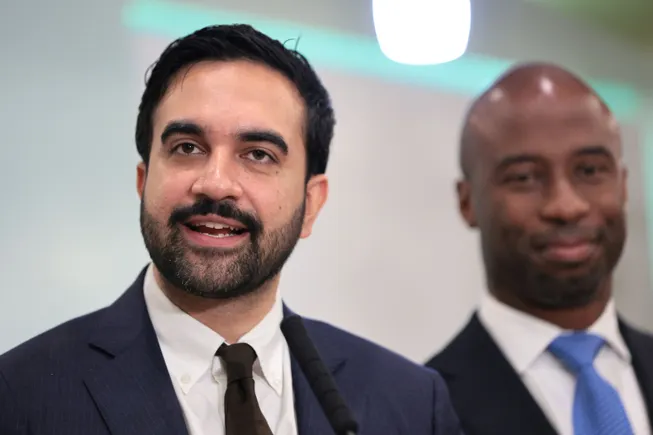
The New York City education system announced a one-year artificial intelligence moratorium for the 2026-27 school year, prohibiting the use of AI tools for students from 2-K to 8th grade, affecting approximately 600,000 students. Additionally, the city introduced screen time limit policies for younger students. This move has elicited mixed reactions from experts and advocacy groups in the educational technology sector.

A survey released by The Century Foundation found that over 80% of American voters are concerned about issues such as AI use in classrooms and student data collection, with clear bipartisan consensus. The majority support the government setting explicit rules rather than leaving matters to teachers.
Under sustained pressure from the Trump administration, several school districts have altered LGBTQ+ policies, including gender support plans and parental access to records. Topeka Public Schools reached a resolution agreement, while other districts face lawsuits or are fighting back in court.

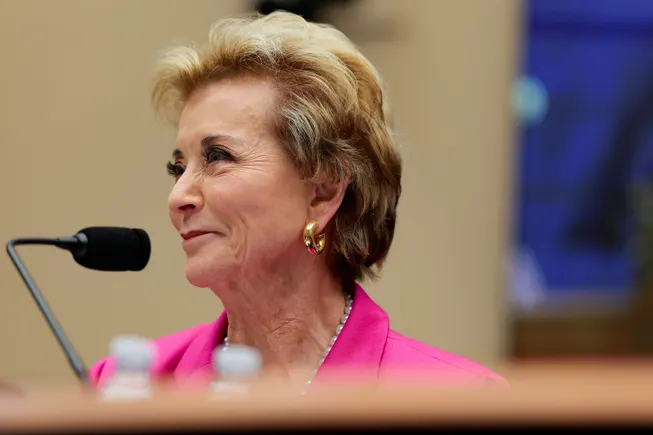
Illinois Democratic Congressman Raja Krishnamoorthi wrote to the USDA and the Food and Nutrition Service on Thursday, requesting state-level assessments of how cuts to the Supplemental Nutrition Assistance Program under the One Big Beautiful Bill affect students' access to free school meals nationwide. The letter notes a 16% decline in SNAP enrollment in Illinois and a reduction of 47 schools and 15 school districts participating in the Community Eligibility Provision. Krishnamoorthi also requested the USDA respond to multiple specific assessment requests by September 10.
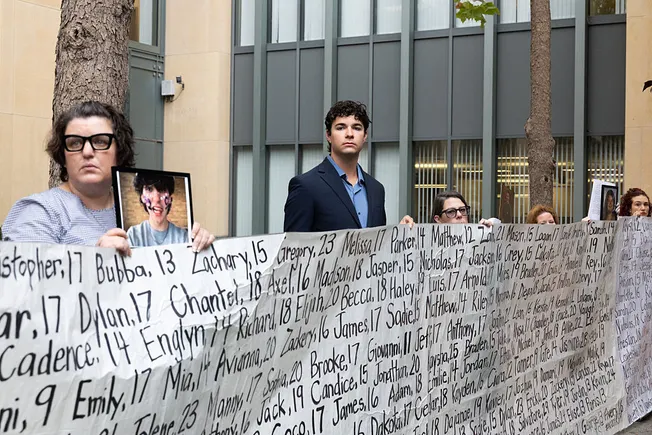
Meta announced a historic $17 billion social media lawsuit settlement with 52 states and territories on August 26, aimed at reducing harm to teenagers' mental health. The settlement will bring impacts such as platform feature changes, fund allocation, and ongoing litigation. This article outlines three key information points for school districts.

A new report from LGBTQ+ student advocacy group Glisten and The Trevor Project finds that nearly one-third of transgender, nonbinary, and gender-diverse students miss school due to a lack of safety on campus. Based on two national surveys, the report reveals widespread discriminatory school policies while highlighting the positive impact of supportive educators and inclusive environments on students' academic performance and mental health.