


Latest news
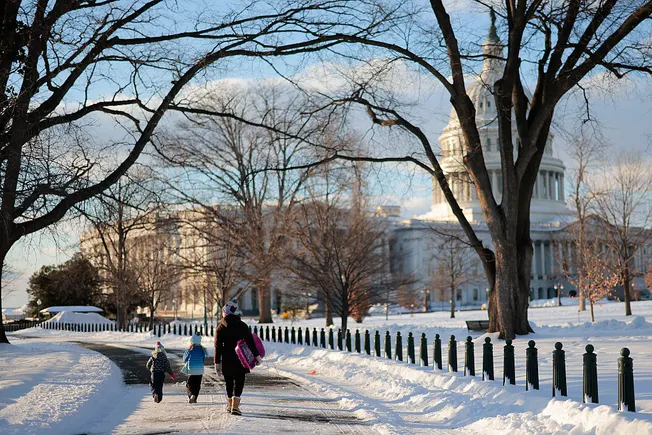
The U.S. Congress passed the Department of Education's FY2026 budget without prohibiting interagency agreements, but a bipartisan statement strongly opposes transferring core programs to other federal agencies.
This article, written by Rudy Sandoval, principal of Montara Elementary School in California, explores how to improve academic performance by deeply analyzing the reasons behind student errors rather than focusing only on surface symptoms. It describes the school's practice of using a data platform and professional learning teams for teachers to significantly raise sixth-grade state test scores within one year, emphasizing that education should focus on continuous growth rather than short-term scores.
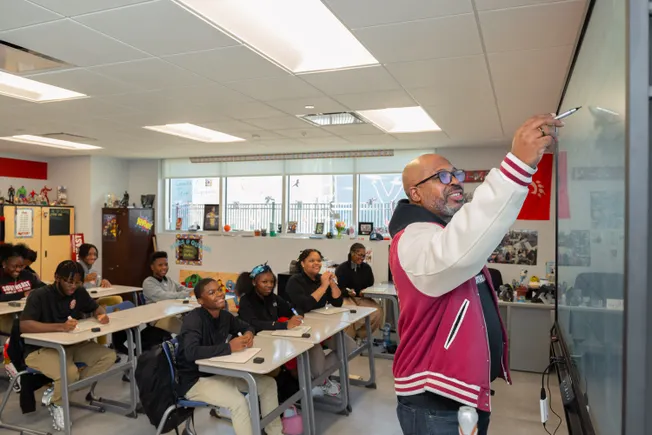
Washington, D.C. has steadily improved mathematics performance in recent years through increased investment, innovative teaching, and public-private partnerships, but significant gaps remain among student groups.

As immigration enforcement intensifies in many parts of the United States, some school districts have initiated temporary online instruction. Special educators are drawing on pandemic-era experience to adjust IEP services and ensure students with disabilities receive FAPE.
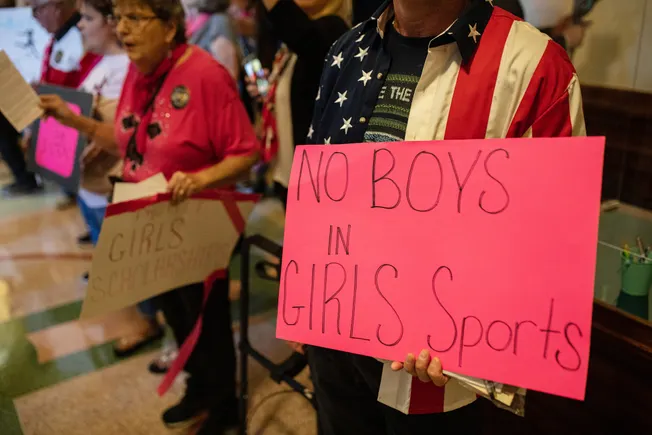
A K-12 Dive analysis shows that in 2025, under the Trump administration, the U.S. Department of Education's Office for Civil Rights (OCR) did not reach any settlement agreements for K-12 sexual harassment and assault complaints. The total number of settlement agreements for the year plummeted from 518 in 2024 to 177, the lowest since 2013. Experts note that OCR's priorities have clearly shifted, consistent with early executive orders of the Trump administration.

Uncertainty has become a key word in U.S. education. Former AASA Executive Director Dan Domenech, drawing on his own experience, proposes that education leaders should safeguard classrooms amid federal policy fluctuations by prioritizing needs, protecting teachers, adopting results-oriented contracts, and engaging in multi-scenario planning.

In 2026, U.S. K-12 school leaders face an increasingly complex operating environment: intensified school choice competition, funding constraints, and declining enrollment may trigger a wave of school closures; the policy and legal framework of the second Trump administration brings new uncertainties; the rapid proliferation of artificial intelligence leaves education technology administrators torn between data protection and tool implementation. K-12 Dive compiles its annual outlook to provide a one-stop trend reference for the industry.
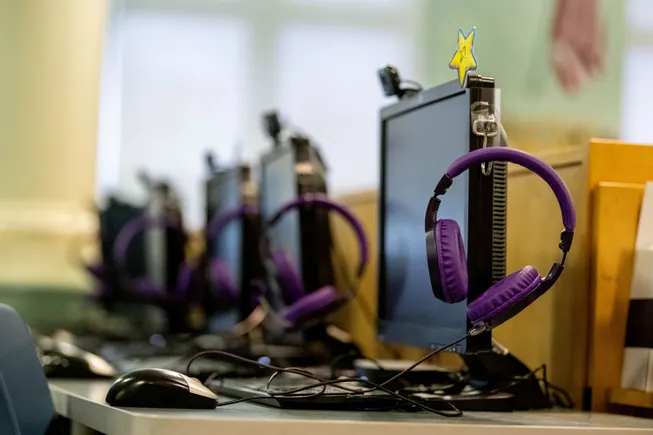
Edtech experts predict that in 2026, K-12 schools will face stricter scrutiny when adopting AI tools, edtech vendors will encounter harsher accountability, and the risk of school cyberattacks will increase due to reduced federal resources.
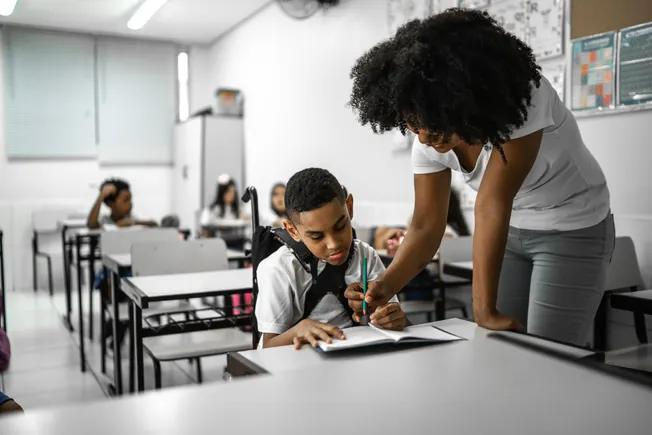
The U.S. Department of Education's Office for Civil Rights (OCR) faces the threat of being consolidated into the Department of Justice, which could sever critical protections for students with disabilities, especially those at the intersection of race, poverty, and disability. The OCR not only handles individual case complaints but also drives systemic reforms and collects national civil rights data. Drawing on nearly two decades of experience, the author explains the functional differences between the OCR and the Department of Justice, warning that a merger would reverse fifty years of progress and leave students with nearly 25,000 pending complaints without recourse.
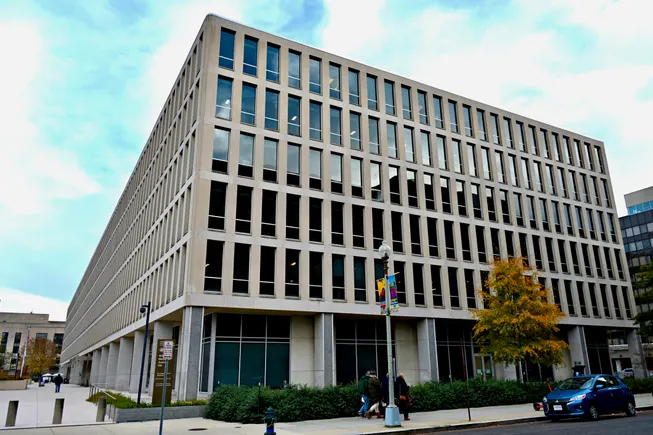
Education policy and law experts point out that the K-12 sector will face continued uncertainty in 2026. Based on interviews with experts from AASA, Teachers College at Columbia University, and other institutions, this article outlines four major trends that school district leaders need to closely monitor: reduced federal support and increased enforcement, the growing influence of religious factors in public education, the extension of educational rights litigation to specific subjects, and the accelerated development of AI policies and legal frameworks.